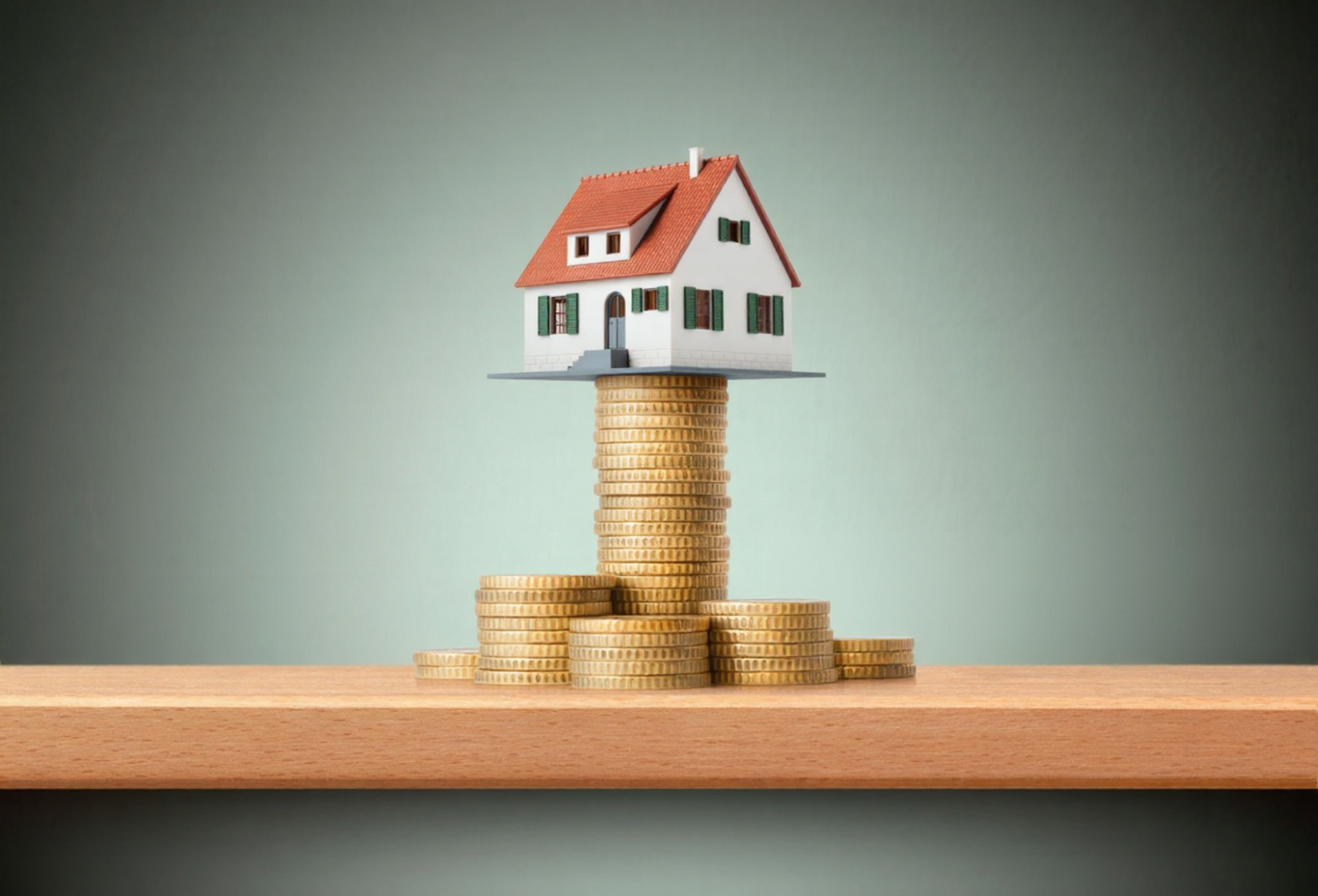
Rent keeps going up. Home prices feel intimidating. And somewhere in the middle, you’re wondering, can I afford to buy a house in Ontario, or is renting actually the smarter move? The truth lives in the details. This guide helps you understand what buying really costs today and how to decide if it aligns with your income, lifestyle, and long-term goals.
What Does “Afford” Actually Mean?
When people ask if they can afford to buy in Ontario, they usually mean one of three things:
- Can I qualify for a mortgage?
- Can I handle the monthly payments without stress?
- Will I still have a life after buying?
Those are three very different questions.
Banks mostly care about the first one. You should care about all three.
Affordability isn’t about maxing out what a lender says you qualify for. It’s about whether your housing costs fit into your life without squeezing everything else out. Vacations. Savings. Takeout on tired Fridays. Breathing room.
Think of it like shoes. You can squeeze into a size too small. But walking in them every day? That’s a different story.
Ontario Home Prices: The Big Picture
Ontario isn’t one market. It’s many.
Toronto is not Thunder Bay. Oakville isn’t Windsor. And affordability changes dramatically depending on where you’re looking.
As of 2025, this is what is expected in the overall location:
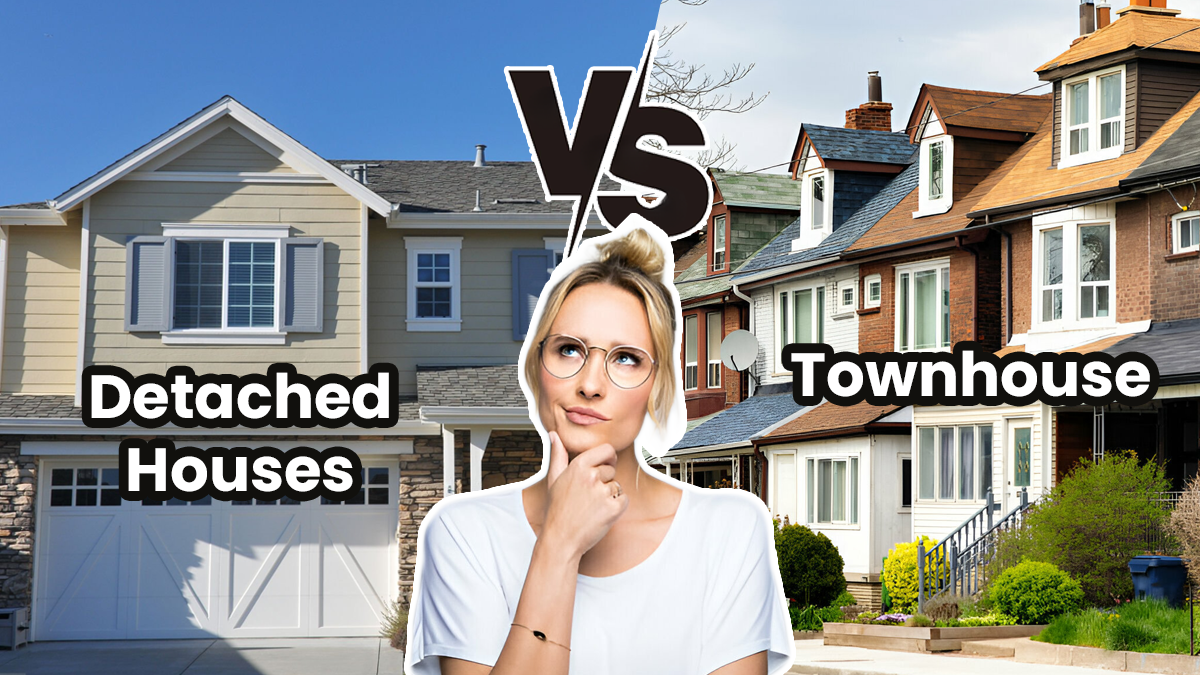
- Greater Toronto Area (GTA): It is still the most expensive location in Canada. While prices have stabilized since reaching their highest point during the housing frenzy, detached homes remain out of reach for most first-time home buyers.
- Surrounding regions (Hamilton, Durham, Niagara): More affordable than Toronto; however, they are no longer considered “cheap,” as prices have increased significantly during the pandemic and have not been significantly reduced.
- Smaller cities and Northern Ontario: significantly lower than what can be found in either the GTA or the surrounding areas; however, they tend to have limited job opportunities as well as fewer amenities and resale options.
The takeaway? Where you buy matters just as much as what you buy.
Sometimes the affordability answer isn’t about earning more. It’s about adjusting geography.
The Real Cost of Buying a Home (Beyond the Price Tag)
This is where many buyers get blindsided.
The purchase price is only the opening act. The real show is everything else.
1. Down Payment
In Canada, minimum down payments look like this:
- 5% on the first $500,000
- 10% on the portion between $500,000 and $999,999
- 20% for homes $1 million and over
So a $650,000 home needs at least $40,000 down. That’s just to get in the door.
And yes, smaller down payments mean mortgage insurance, which increases your monthly costs.
2. Mortgage Payments
Your payment depends on four main things:
- Purchase price
- Down payment
- Interest rate
- Amortization period
Rates in 2025 aren’t the ultra-low numbers we saw years ago. They’re more “historically normal.” That means payments matter again.
Even small rate changes can swing your payment by hundreds of dollars a month. That’s groceries, gas, and life.
3. Property Taxes
Often forgotten. Always due.
Property taxes vary by municipality, but they can easily add a few hundred dollars per month to your housing costs. And they tend to rise over time.
4. Utilities and Maintenance
Owning means you’re the landlord now.
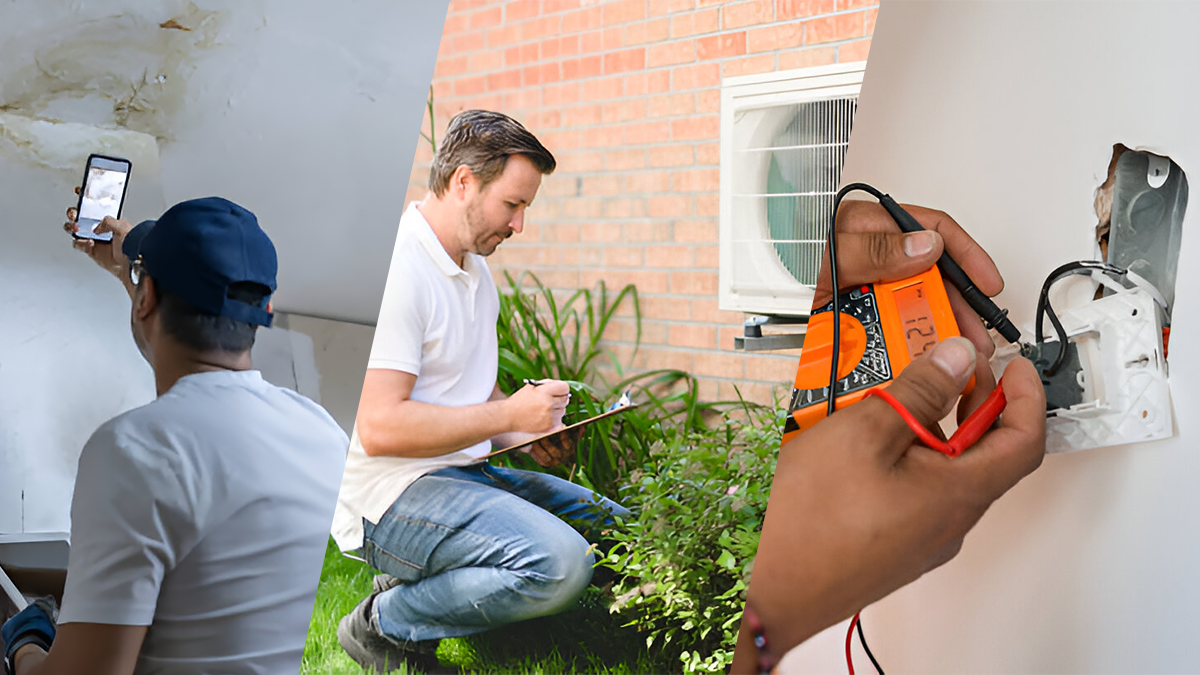
Roof issues, appliance breakdowns, snow removal, lawn care, and condo fees if applicable, these costs aren’t optional, even when your budget feels tight.
A good rule of thumb? Budget 1% of the home’s value annually for maintenance, especially for freehold homes.
5. Closing Costs
These hit upfront and surprise a lot of first-time buyers.
They include:
- Land transfer tax (double in Toronto)
- Legal fees
- Title insurance
- Adjustments
Plan for 1.5%–4% of the purchase price, depending on location.
How Lenders Decide If You Can Afford It
Here’s the part that feels clinical, but it matters.
Banks use two main ratios:
Gross Debt Service (GDS)
This measures how much of your gross income goes toward housing costs.
Mortgage, property taxes, heating, and half of condo fees.
Generally, lenders want this under 39%.
Total Debt Service (TDS)
This includes housing costs plus other debts. Car loans. Credit cards. Student loans.
This usually needs to stay under 44%.
If your numbers fit, you may qualify. But qualifying doesn’t mean being comfortable.
That’s where your own math comes in.
A More Human Way to Test Affordability
Here’s a simple exercise that works better than spreadsheets alone.
Take the expected monthly housing cost. Mortgage, taxes, condo fees, utilities. All of it.
Now pretend you’re already paying for it.
For three months, move that difference into savings. Don’t touch it.
How does life feel?
Are you stressed? Skipping things you enjoy? Or does it feel manageable, even boring?
That feeling tells you more than any approval letter ever will.
First-Time Buyer Programs in Ontario
Help does exist. It’s just not magic.
Some of the major first-time home buyer incentives that can provide access to ownership are:
- First-Time Home Buyer Incentive: a shared equity program that provides a way to lower the monthly mortgage payment; however, it does have some limitations associated with it.
- RRSP Home Buyers’ Plan: This is an option that allows you to borrow from your RRSP to use as your down payment, and you repay what you borrowed with interest over time.
- Land Transfer Tax Rebates: Available for first-time buyers, this can help offset a large expense of purchasing a home.
These various programs can assist first-time buyers in gaining access to homeownership, but they will not change how much ownership costs.
Renting vs Buying: The Emotional Math
This is where things get personal.
Renting isn’t “throwing money away.” It’s paying for flexibility, predictability, and fewer surprises.
Buying offers stability, pride, and long-term equity. But it also brings responsibility and risk.
Ask yourself:
- How long do I plan to stay put?
- Is my income stable?
- Do I value flexibility or roots right now?
There’s no moral win here. Just timing.
So… Can I Afford to Buy in Ontario?
Let’s bring it back to the original question: Can I afford to buy in Ontario?
For some people, the answer is yes, right now.
For others, it’s yes, but smaller, or farther out, or with a partner.
And for many, it’s not yet. And that’s not failure. That’s information.
Ontario’s housing market asks a lot. It demands planning, patience, and honesty. But it also rewards preparation.
Affordability isn’t about keeping up with others. It’s about building something that doesn’t collapse under its own weight.
Clarity Beats Pressure
Buying a home is one of the biggest financial decisions you’ll ever make. You’re allowed to take your time.
Run the numbers. Talk to professionals who explain, not pressure. Question assumptions. Adjust expectations.
And remember this: the goal isn’t just to buy a home.
It’s to live well inside it.
If you’re still asking, “Can I afford to buy in Ontario?”, you’re asking the right question. And asking it now puts you ahead of the game.